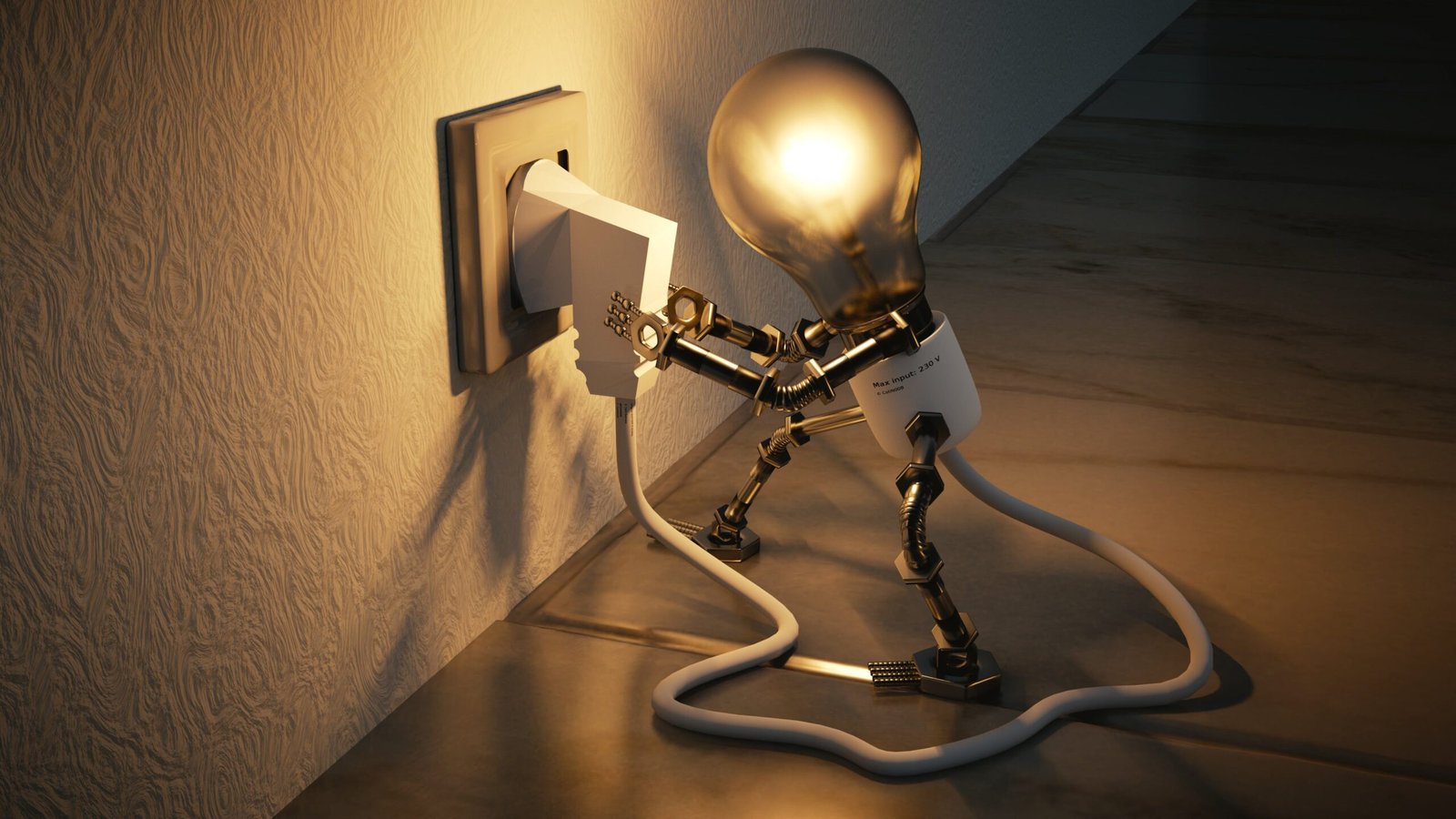
Diners rarely look up at the ceiling when they walk into a restaurant. They do not analyze the wiring or the bulb types. However, they feel the mood instantly. If the light is too harsh, they feel exposed. If it is too dark, they struggle to read the menu. These are the two biggest mistakes in hospitality design. Great restaurant lighting ideas focus on the feeling of the space first. By using a nightlight approach—which means prioritizing warm, low-level illumination—you can turn a plain dining room into an inviting destination.
The Foundation of Atmosphere: Ambient Light Strategy
Ambient light is the base layer for your entire room. It provides the general glow that allows guests to move safely and see their companions. You should aim for a welcoming, soft light that fills the room without creating sharp shadows or glare. Harsh, cold white lights are the enemy of a comfortable dining experience.
Focus on color temperature to get this right. Light is measured in Kelvin. For a warm, inviting glow, look for bulbs between 2,700K and 3,000K. This range mimics the warmth of sunset. It makes skin tones look better and makes the food look fresh. You should always install dimmers on these ambient circuits. This gives you the flexibility to brighten the room for daytime service or lower the levels as the evening progresses to create a more relaxed vibe.
Creating Intimacy with Low-Level Illumination
Intimacy is often what customers pay for when they go out to eat. They want a space where their conversation feels private and special. Low-level illumination acts like a nightlight for your dining room. It creates pools of soft light instead of a blanket of uniform brightness.
Use wall sconces to bounce light off surfaces rather than pointing it down directly at the tables. This prevents the “spotlight effect” that can make guests feel like they are on a stage. Consider low-hanging pendant lights over tables. These create a visual barrier between the table and the rest of the room. This simple trick adds a sense of privacy. When people feel tucked away in their own corner, they tend to stay longer, order more drinks, and leave with a better impression.
Guiding the Eye: How Ambient Light Shapes Perceptions
Lighting does more than just illuminate; it acts as a silent guide for your guests. You can use light to draw attention to specific parts of your restaurant. If you have artwork on the walls or architectural features like brick arches, use targeted light to highlight them. This makes the space feel designed and intentional rather than just a room with tables.
When you dim the ambient light, you can use smaller, focused light sources to highlight service stations or path markers. This helps guests navigate the room naturally. It also reduces the need for bright overhead lights, which are often the main culprit behind a sterile atmosphere. By keeping the main floor slightly darker and highlighting only the areas that matter, you add depth and mystery to your design.
Illuminating Culinary Delights: Accent and Task Lighting
While ambient light sets the mood, accent and task lighting do the heavy lifting for function. You want your food to look as good as it tastes. If the ambient light is too dim, the plates will look dull. Use narrow-beam spotlights or track lighting to focus on the dining tables.
The goal here is to hit the plate with light without blinding the person sitting across from it. Use a beam angle that is tight enough to stay on the tabletop. In fine dining, this creates a high-contrast look where the food glows against the dark surroundings. In a more casual space, you can spread the light a bit more to keep the atmosphere friendly and accessible. Always test these lights while the room is empty to ensure they do not create uncomfortable glare for the diners.
Designing for Different Dining Zones
Not every part of your restaurant needs the same lighting. Treat your entrance, your booths, and your bar as distinct zones with different needs.
- Entrance and Waiting Areas: This is the first impression. Keep it warm and inviting. Use lighting that signals a transition from the busy street to your calm dining space.
- Intimate Nooks and Booths: These areas benefit most from the nightlight concept. Add a dedicated lamp or a very low-hanging pendant. This makes the booth feel like a private room within the restaurant.
- Vibrant Bar Areas: Bars often need more energy than dining rooms. You can use slightly brighter or more dynamic lighting here. Feature lighting behind the shelves can make bottles glow, adding color and life to the back bar.
The Art of Control: Dimmers and Smart Lighting
Lighting is not a “set it and forget it” task. The needs of your space change as the sun goes down. A room that feels bright and cheery at 11:00 AM should feel moody and sophisticated at 8:00 PM. Dimmer switches are the most important tool in your arsenal. They give your staff the power to adjust the mood instantly.
Modern smart lighting systems make this even easier. You can program scenes for different times of the day. A “Lunch” scene might have 80% brightness for a clean, fast-paced feel. An “Evening” scene might drop to 40% for a relaxing, high-end experience. These systems also save money. By automatically dimming or turning off lights in empty sections, you reduce your energy bill and extend the life of your bulbs. Choose LED technology for the best balance of efficiency, brightness, and color control.
Showcasing Your Brand Through Lighting Design
Your lighting choices should reflect your restaurant’s personality. A modern, industrial spot might use exposed filament bulbs in cages to lean into a raw aesthetic. A high-end French bistro might use delicate crystal chandeliers or soft candle-like wall lamps to convey elegance.
Consistency is key. If your brand is bold and energetic, your lighting should be brighter and more varied. If your brand is calm and traditional, stick to softer, warmer, and more consistent light levels. Every light fixture tells a story about your restaurant. Make sure that story matches the food you serve and the service you provide. When the design, the light, and the menu align, the brand becomes much stronger in the customer’s mind.