What do your beliefs actually do when life gets hard? Not the polished, Sunday-morning version — the real ones. Hardship exposes faith in ways that comfort never could. It’s in the wreckage — job gone, health failing, grief that just sits there — that belief either proves itself or quietly dissolves. Watching how conviction holds together under that strain? Genuinely instructive. Far more so than any motivational quote that fades by Tuesday.
Recognizing Faith Under Pressure
Difficulty-forged faith barely resembles what gets practiced in calm seasons. Job loss. Illness. A relationship that collapses. Grief that won’t lift. Each one forces a reckoning — beliefs stop being theoretical and start getting weighed against raw experience. Bedrock or sand. That’s what pressure reveals. One person hits a health crisis and their trust in something larger actually sharpens. Another finds out what they’d been calling conviction was mostly comfort wearing religious clothing. Either way, you learn something honest. Which beliefs carry real weight, and which ones were just convenient. Not a small thing to know.
The Role of Doubt in Strengthening Faith
Doubt and faith aren’t opposites. Most people assume they are. That assumption doesn’t hold. Doubt shows up almost on cue when circumstances refuse to make sense — it’s a natural response, not a betrayal. But here’s what’s interesting: instead of wrecking faith, that doubt can drag someone into a harder, more honest examination of what they actually believe and why. People in that position often return to sacred texts they’d previously skimmed, seek out mentors, or sit longer with memories of moments that once felt unmistakably real. Slowly — sometimes painfully — faith becomes something chosen rather than inherited. And chosen convictions, the ones a person has argued with and wrestled through, tend to hold up far better when the next wave of difficulty rolls in.
Building Practical Resilience Through Community
Faith doesn’t endure well alone. It needs company. During genuinely hard stretches, a surrounding community of people with shared values provides something personal willpower simply can’t — practical help, yes, but also the kind of steady encouragement that keeps someone upright when they’re running low on reasons to stay standing. Faith communities create regular spaces to reaffirm what matters, to hear from others who’ve come through comparable suffering, and to receive support from people who actually grasp the texture of the struggle. Those seeking documented accounts of communities maintaining faith under extreme conditions — not hypothetical examples, but recorded, concrete ones — can find them in the Persecuted Christian Watchlist, which tracks believers enduring severe oppression across the world.
Someone grieving a loss may find that shared rituals — or an honest conversation with others who’ve lost someone, too — offer both comfort and a wider frame for understanding. The collective weight of a faith community becomes the scaffold holding individuals up when personal strength runs dry. Not a metaphor. Often quite literal.
Developing Personal Practices That Sustain Faith
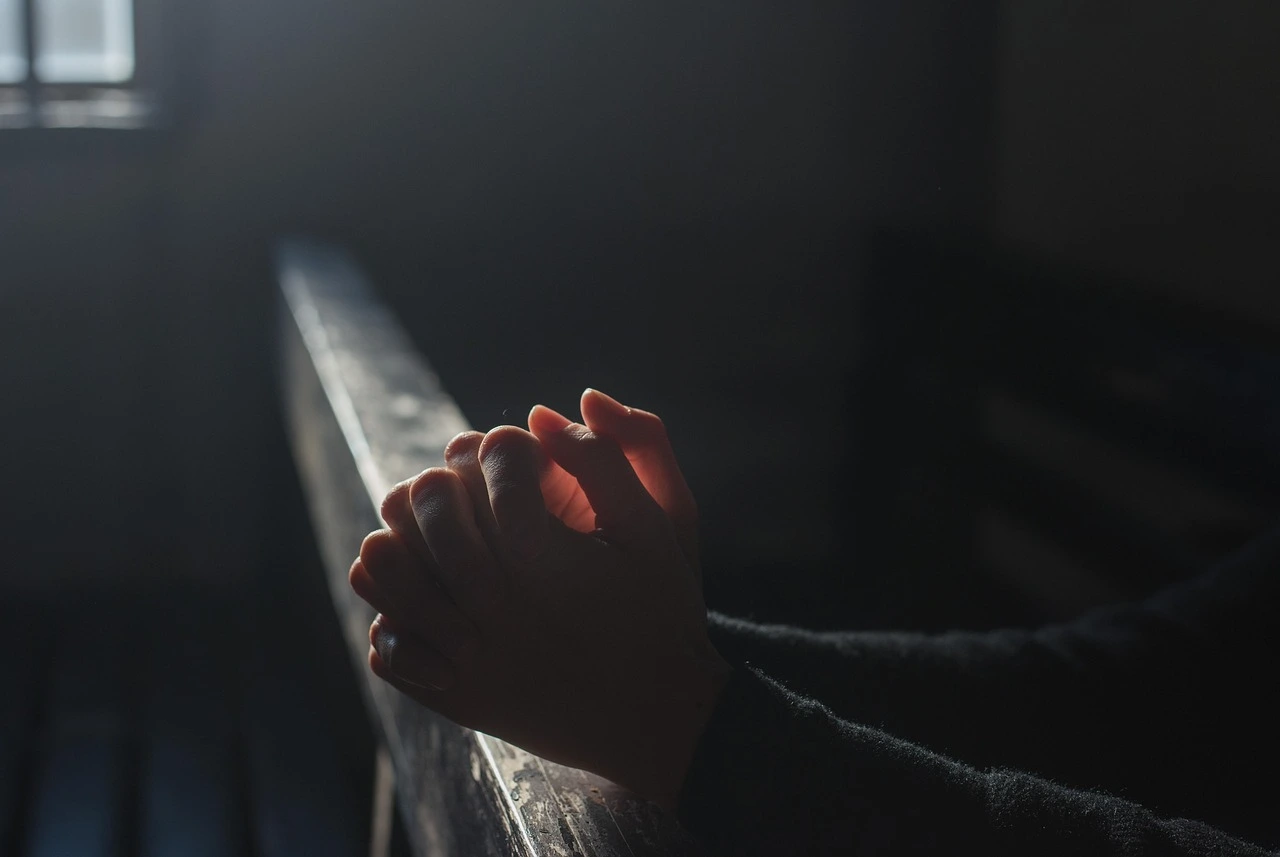
Daily habits matter more than emergency measures. Full stop. Prayer, meditation, journaling, quiet reflection — these work not because they feel dramatic, but because they build a consistent interior structure that doesn’t collapse the moment external life does. Someone who’s been reflecting daily for months before a crisis hits already has a practiced framework for processing confusion and despair. The tool exists; they don’t have to build it in the dark. There’s another dimension, too: regular engagement with faith practices trains attention. People start noticing small signals of meaning or grace that would otherwise slip past entirely — moments that quietly reinforce a broader conviction that their life has purpose, even when the surface evidence argues otherwise.
The Transformation That Comes Through Endurance
People who hold onto faith through serious testing often come out the other side genuinely changed. Not just relieved. Changed. Greater compassion for others in pain. Sharper clarity about what actually matters versus what they only thought mattered. A more honest, less performance-based relationship with their own beliefs. Someone who maintains faith through a prolonged illness might emerge with new sensitivity to others who suffer, a renewed appetite for ordinary moments, or a conviction about meaning that now has scar tissue behind it. These aren’t small shifts. They suggest that testing — brutal as it feels — can serve something constructive in the arc of a person’s spiritual life. The endurance itself becomes the evidence. Not of faith’s fragility. Of its actual strength.
Conclusion
Faith that survives testing is a different thing entirely from faith that only exists when life cooperates. Seeing how belief functions under real pressure, letting doubt do its clarifying work, leaning into community, building daily practices, staying open to being reshaped — these aren’t just coping strategies. They’re how durable faith actually gets built. Testing becomes an opportunity, not just a threat. It strips away what was never real and leaves what is. And ultimately, faith earns its credibility not by keeping difficulties away, but by supplying meaning, direction, and resilience precisely when hardship — as it always does — shows up anyway.