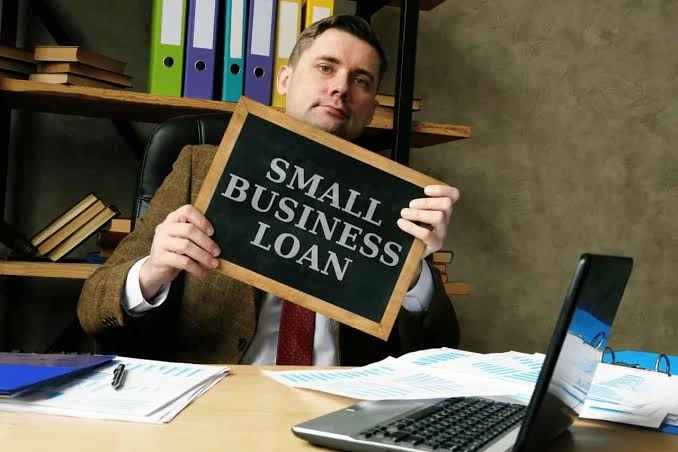
Every business owner reaches that moment where ambition outpaces the bank balance. Maybe it’s a bulk inventory order you can’t pass up, a new hire you desperately need, or just enough runway to survive a slow season. That’s usually the point where small business loans stop being a hypothetical and start being a real decision you have to make.
But borrowing money for your business isn’t a one-size-fits-all move. The small business loans help some businesses grow faster than they ever could on their own, and it buries others in repayment stress they didn’t see coming. So let’s actually get into what works, what doesn’t, and how to think this through properly.
What Do Small Business Loans Actually Cover?
At the core, small business loans are borrowed funds meant to support business operations, like working capital, equipment, expansion, or even bridging a temporary cash crunch. Banks, NBFCs, and digital lenders all play in this space now, and eligibility, speed, and cost differ quite a bit across them.
Newer businesses usually fall into a separate bucket. Startup business loans exist specifically for founders who don’t have years of financial statements to lean on. Lenders here look at things differently.
They mostly focus on credit history, business projections, and sometimes even the founder’s personal financial discipline, since there’s no revenue track record to fall back on.
Why Do Business Owners Take Small Business Loans?
There’s a reason borrowing remains such a common route, even with interest costs involved. A few advantages come up again and again.
You Keep Full Control
No investors, no board meetings, no explaining your decisions to anyone. A small business loan lets you fund growth while keeping 100% ownership of what you’ve built.
You Don’t Miss Time-Sensitive Opportunities
A bulk discount, a seasonal rush, a chance to expand before a competitor does, loans let you act now instead of waiting months to save up enough cash.
It Builds Your Credit Profile
Every on-time EMI adds to your credibility as a borrower. That matters a lot when you need a bigger loan later or want better terms next time around.
There’s a Loan Type for Almost Every Need
This is genuinely underrated. A lot of business owners don’t realize how many types of business loans actually exist and end up picking the wrong one just because it’s the first option they saw. For instance,
- Term loans for one-time investments with fixed repayment
- Working capital loans to smooth over short-term cash gaps
- Equipment loans tied to specific machinery or tools
- Credit lines where you borrow only what you use, when you use it
- Startup business loans built for early-stage ventures with limited history
Matching the loan type to the actual need saves money. Taking a five-year term loan to solve a two-month cash flow gap, for instance, just means paying interest longer than necessary.
Repayments Are Predictable, Not Guesswork
Most instant loan app providers now offer a business loan EMI calculator directly on their site or app. Enter your amount and tenure, and you’ll know your exact monthly payout before you even apply.
Where Small Business Loans Can Backfire on You?
Nothing works if the downsides get ignored. Here’s the part that deserves equal attention.
The Interest Cost Is Real
Borrowed money isn’t free, obviously, but a surprising number of business owners underestimate how much interest chips away at margins over time, especially in low-margin businesses where every rupee counts.
Collateral Puts Assets on the Line
Larger loans often ask for collateral, like property papers, machinery, and sometimes personal assets. If repayment goes sideways, that collateral is genuinely at risk, not just a clause buried somewhere in the agreement.
EMIs Don’t Care About a Bad Month
The revenue of every business fluctuates. EMIs don’t. A slow month doesn’t pause your repayment schedule, and that mismatch is where a lot of businesses start feeling squeezed, particularly seasonal ones. So, before borrowing, clearly define your repayment plan and try to set auto-debit for the monthly EMIs to avoid late fees.
Newer Businesses Face Tougher Approval Odds
Startup business loans come with stricter scrutiny simply because newer businesses are statistically riskier bets for lenders. No revenue history, limited collateral, and thin credit files often mean higher rejection rates or costlier terms.
Personal Credit Can Take the Hit Too
A lot of small business owners personally guarantee their loans, especially in the early years. If the business defaults, that guarantee means your personal credit score takes damage right along with the business’s.
What Things To Consider While Taking Out Small Business Loans?
Honestly, there’s no blanket answer here. It comes down to what the loan is funding. If it’s going toward something that generates more value than the interest costs, like stock that converts into sales or a machine that boosts output, borrowing tends to pay off. If it’s just covering a gap with no clear repayment path in sight, that’s a much shakier bet.
Some Best Practices:
- Before signing anything, run your numbers through a business loan EMI calculator so you know exactly what you’re committing to every month.
- Compare a handful of digital lenders too, including their interest rates, terms, late fees, and foreclosure charges and if any hidden charges are there.
- And don’t skip the fine print on collateral or prepayment penalties, even though it’s the least exciting part of the process.
The Bottom Line
Like any tool, the outcome of small business loans also depends entirely on how it’s used. Handled thoughtfully, they open doors that would otherwise take years to reach on your own. Handled carelessly, they add pressure that outlasts whatever short-term problem they solved.
Whether you’re exploring startup business loans to get a new venture off the ground or comparing business loans for small business expansion, take time to understand the types of business loans available, calculate your EMIs honestly, and borrow only what your business can repay without losing sleep over it. That’s really the difference between a loan that builds your business and one that quietly drags it down.