The Dodge DPF filter plays a vital role in keeping your diesel truck running efficiently while reducing harmful exhaust emissions. It captures soot and particulate matter produced during combustion, preventing these pollutants from being released into the atmosphere. Over time, however, soot and ash accumulate inside the filter, restricting exhaust flow and reducing engine performance.
Many Dodge diesel owners assume that a clogged DPF automatically requires replacement, but that’s not always the case. In many situations, professional cleaning can restore the Dodge DPF filter, improve engine performance, and save thousands of dollars compared to installing a new filter.
How the Dodge DPF Filter Works
The Dodge DPF filter is part of your truck’s emissions control system. As exhaust gases pass through the filter, soot particles are trapped while clean gases continue through the exhaust.
To prevent blockage, the engine periodically performs a regeneration cycle that burns accumulated soot at high temperatures. While regeneration removes soot, it cannot eliminate non-combustible ash that naturally builds up over time.
Eventually, professional cleaning becomes necessary to restore full airflow.
Signs Your Dodge DPF Filter Needs Professional Cleaning
Several warning signs indicate your filter may be becoming restricted, including:
- Illuminated DPF warning light
- Reduced engine power
- Poor acceleration
- Increased fuel consumption
- Frequent regeneration cycles
- Limp mode activation
- Rough engine performance
- Excessive exhaust smoke
Ignoring these symptoms can increase exhaust backpressure and place unnecessary strain on your engine and turbocharger.
How a Clogged Dodge DPF Filter Affects Engine Performance
When the Dodge DPF filter becomes clogged, exhaust gases cannot flow freely through the system.
This restriction can lead to several performance issues.
Reduced Horsepower
Excessive backpressure limits engine efficiency, making acceleration sluggish and reducing towing capability.
Lower Fuel Economy
A restricted filter forces the engine to work harder, resulting in increased fuel consumption and more frequent trips to the fuel station.
Frequent Regeneration
As soot accumulates, the truck attempts regeneration more often, consuming additional fuel and increasing engine temperatures.
Limp Mode
If blockage reaches a critical level, the engine control module may activate limp mode to protect major engine components.
What Professional DPF Cleaning Removes
Automatic regeneration burns soot but cannot remove ash, oil residue, coolant contamination, or other non-combustible deposits.
Professional DPF cleaning removes:
- Soot buildup
- Ash accumulation
- Oil contamination
- Coolant residue
- Carbon deposits
- Restricted airflow caused by debris
Removing these contaminants restores normal exhaust flow and improves overall engine efficiency.
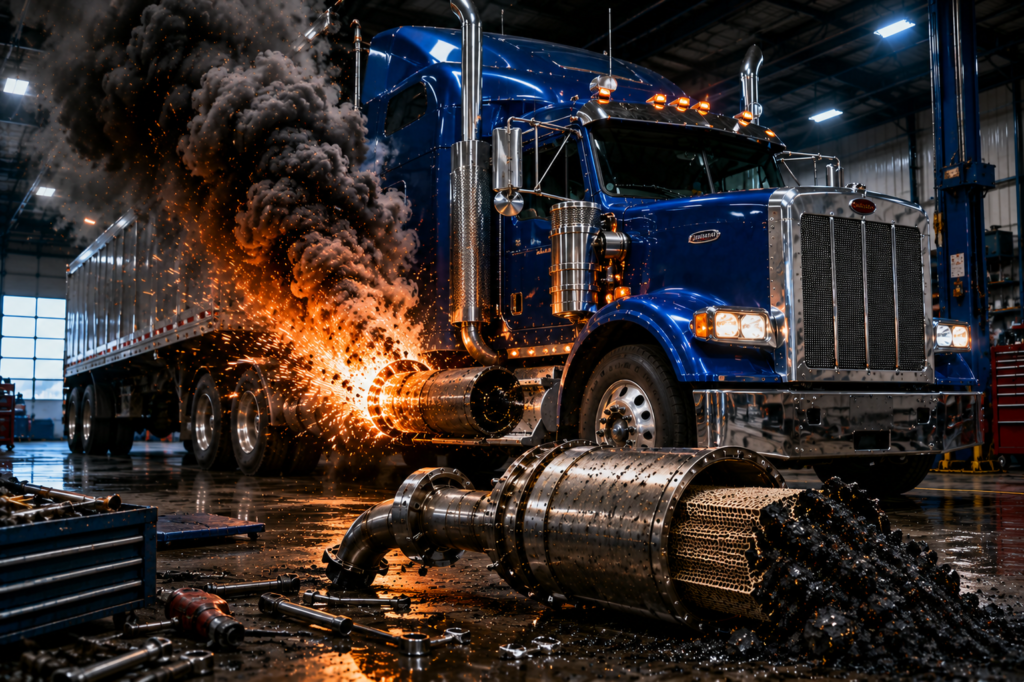
Benefits of Professional Dodge DPF Filter Cleaning
Choosing professional cleaning offers several advantages over premature replacement.
Restores Engine Performance
A clean Dodge DPF filter allows exhaust gases to flow properly, helping restore horsepower, throttle response, and overall drivability.
Improves Fuel Efficiency
Reduced exhaust restriction means the engine burns fuel more efficiently, often improving fuel economy.
Reduces Regeneration Frequency
Cleaning removes accumulated ash that regeneration cannot eliminate, reducing the number of forced regeneration cycles.
Extends Filter Life
Routine maintenance helps maximize the lifespan of the original DPF, delaying the need for replacement.
Saves Money
Professional cleaning is significantly more affordable than replacing a DPF that can still be restored.
Why Professional Cleaning Is Better Than DIY Methods
Some aftermarket cleaners claim to restore clogged DPF filters, but they cannot remove hardened ash or heavy contamination inside the filter.
Professional equipment thoroughly cleans the filter while minimizing the risk of internal damage.
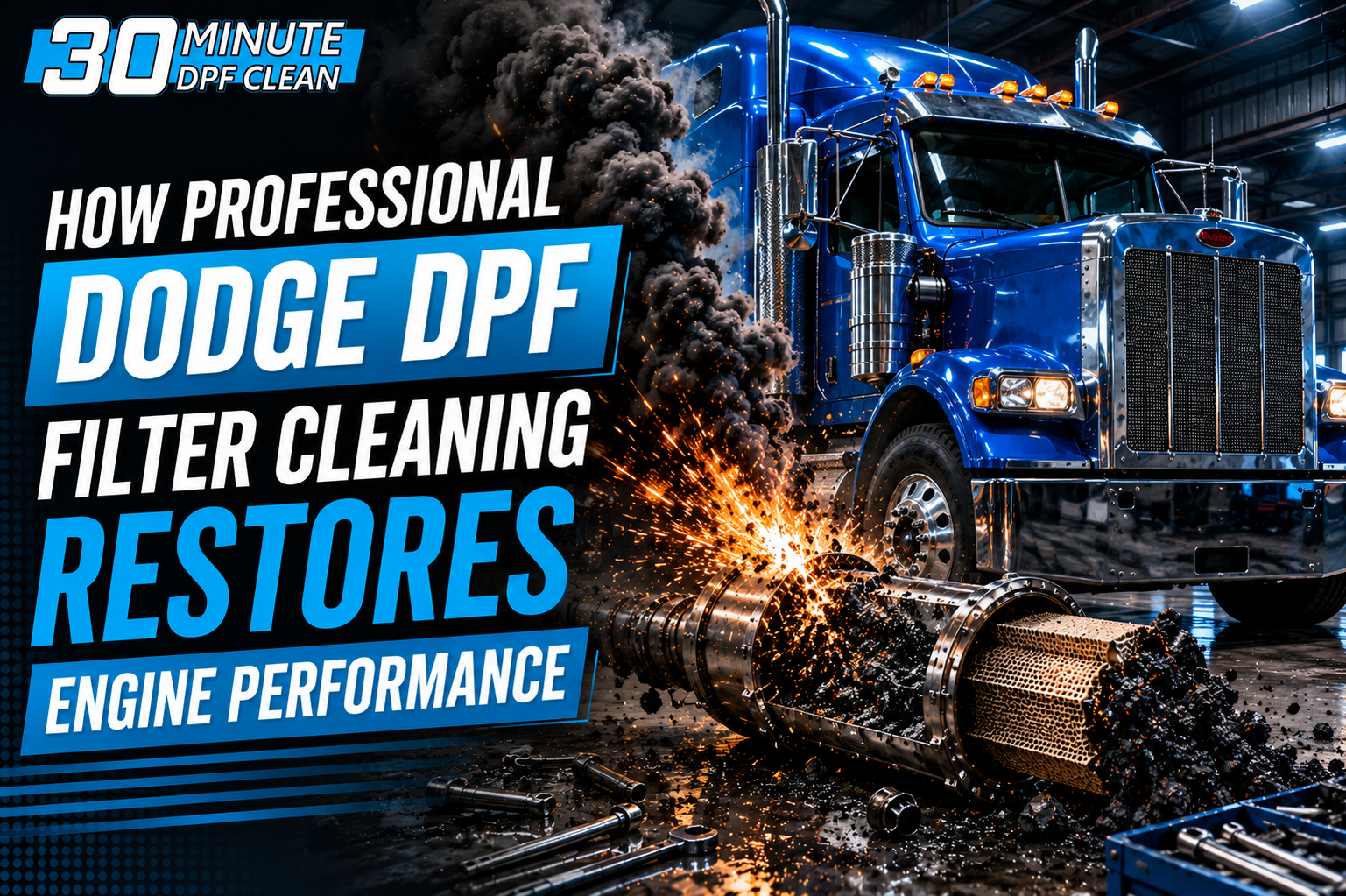
At 30 Minute DPF Clean, advanced hydraulic cleaning technology removes up to 98% of soot, ash, and other contaminants without harming the filter substrate. The process restores proper exhaust flow, improves engine performance, and helps extend the life of the original DPF.
When Should You Schedule Professional Cleaning?
Most manufacturers recommend professional DPF maintenance every 100,000 to 150,000 miles, although trucks used for heavy towing, stop-and-go driving, or frequent idling may require cleaning sooner.
Early service helps prevent:
- Costly DPF replacement
- Turbocharger damage
- Reduced engine performance
- Excessive fuel consumption
- Unexpected downtime
Restore Your Dodge DPF Filter Before Replacement Becomes Necessary
A clogged Dodge DPF filter doesn’t always mean you need a costly replacement. In many cases, professional cleaning can restore exhaust flow, improve engine performance, increase fuel efficiency, and extend the life of your emissions system.
If you’ve noticed warning lights, frequent regeneration, sluggish acceleration, or poor fuel economy, acting early can help prevent more expensive repairs. Professional cleaning from experienced specialists like 30 Minute DPF Clean is a cost-effective solution that keeps your Dodge diesel performing at its best.
Frequently Asked Questions
1. How often should a Dodge DPF filter be professionally cleaned?
Most diesel trucks benefit from professional DPF cleaning every 100,000 to 150,000 miles, although severe driving conditions may require more frequent service.
2. Can professional cleaning restore a clogged Dodge DPF filter?
Yes. If the filter has no structural damage, professional cleaning can remove soot and ash buildup, restoring proper exhaust flow and engine performance.
3. What causes a Dodge DPF filter to clog?
Common causes include short trips, excessive idling, failed regeneration cycles, faulty injectors, turbocharger issues, poor fuel quality, and delayed maintenance.
4. Is cleaning less expensive than replacing the DPF?
In most cases, yes. Professional cleaning costs significantly less than replacing a DPF, making it the preferred solution when the filter is still structurally sound.
5. Why choose 30 Minute DPF Clean?
30 Minute DPF Clean uses advanced hydraulic cleaning technology to remove up to 98% of soot, ash, oil, and other contaminants, helping restore engine performance while extending the life of your Dodge DPF filter.